MICS
MICS
Introduction
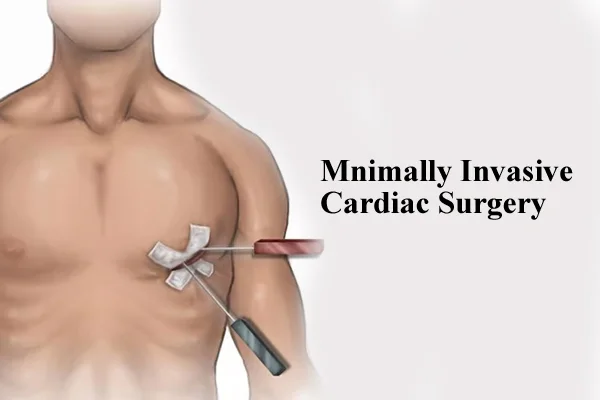
Minimally Invasive Cardiac Surgery (MICS) is an advanced surgical approach used to treat various heart conditions through smaller incisions instead of conventional open-heart surgery. This technique may involve specialized surgical instruments and advanced visualization systems to access the heart while minimizing disruption to surrounding tissues.
Dr. Ravi Kumar Gupta, Cardiovascular and Cardiac Surgeon in Noida, provides cardiac surgical care with an emphasis on evaluating suitable treatment options based on each patient's medical condition, overall health and surgical requirements.
What Is Minimally Invasive Cardiac Surgery?
Minimally Invasive Cardiac Surgery is a surgical technique in which cardiac procedures are performed through small incisions, often between the ribs, rather than opening the breastbone completely. Depending on the procedure, surgeons may use specialized instruments and video-assisted techniques to operate on the heart.
MICS may be considered for selected patients requiring valve surgery and other cardiac procedures. The suitability of this approach depends on the patient's heart condition, anatomy and overall medical assessment.
Conditions Treated Through MICS
-
Heart Valve Diseases: Management of selected mitral, aortic and tricuspid valve conditions.
-
Mitral Valve Disorders: Surgical treatment of mitral valve regurgitation and other structural abnormalities.
-
Aortic Valve Diseases: Management of selected aortic valve conditions requiring surgical intervention.
-
Congenital Heart Conditions: Surgical correction of certain structural heart abnormalities in suitable patients.
-
Cardiac Structural Disorders: Treatment of selected structural abnormalities affecting normal heart function.
Types of Minimally Invasive Cardiac Procedures
Minimally Invasive Mitral Valve Surgery
A surgical approach used to repair or replace the mitral valve through smaller chest incisions in appropriately selected patients.
Minimally Invasive Aortic Valve Surgery
This approach involves accessing the aortic valve through a smaller incision to perform valve repair or replacement when clinically appropriate.
Minimally Invasive Tricuspid Valve Surgery
A specialized surgical technique used to manage selected tricuspid valve disorders through limited surgical access.
Minimally Invasive Cardiac Defect Repair
Certain structural heart defects may be addressed using minimally invasive surgical techniques, depending on their type and complexity.
Benefits of MICS
-
Smaller surgical incisions compared with conventional approaches.
-
Reduced disruption to surrounding tissues in suitable procedures.
-
Potentially less postoperative discomfort.
-
Reduced blood loss in selected cases.
-
Potentially shorter hospital stays.
-
Earlier mobilization and recovery in suitable patients.
-
Smaller surgical scars.
Outcomes and recovery periods vary depending on the procedure and individual patient factors.
Why Consult Dr. Ravi Kumar Gupta for MICS in Noida?
-
Cardiac Surgical Expertise: Specialized focus on cardiovascular and cardiac surgical procedures.
-
Individualized Assessment: Treatment planning based on the patient's heart condition and medical history.
-
Advanced Surgical Approaches: Evaluation of minimally invasive options wherever clinically suitable.
-
Comprehensive Cardiac Care: Consideration of diagnosis, surgery and postoperative management.
-
Patient-Centred Approach: Clear communication about treatment options, potential risks and recovery expectations.
Frequently Asked Questions (FAQs)
What is MICS in cardiac surgery?
MICS stands for Minimally Invasive Cardiac Surgery. It involves performing selected heart surgeries through smaller incisions instead of conventional full breastbone opening.
Is MICS better than traditional open-heart surgery?
Both approaches have specific indications. MICS may offer benefits such as smaller incisions and reduced tissue disruption in selected patients, but the appropriate technique depends on individual medical requirements.
Who is eligible for minimally invasive cardiac surgery?
Patients with certain heart valve diseases and structural heart conditions may be suitable. A detailed cardiac evaluation is necessary to determine eligibility.
How long does recovery take after MICS?
Recovery varies depending on the type of surgery, patient's overall health and postoperative progress. Some patients may resume routine activities earlier than after conventional surgery.
Does MICS involve smaller incisions?
Yes. MICS generally involves smaller incisions, often made between the ribs or through a limited opening in the chest, depending on the surgical procedure.
Where can I consult a cardiac surgeon for MICS in Noida?
Patients seeking evaluation for Minimally Invasive Cardiac Surgery in Noida can consult Dr. Ravi Kumar Gupta, Cardiovascular and Cardiac Surgeon, for assessment and discussion of suitable treatment options.