TAVR
TAVR
TAVR Placement in Noida
The aortic valve regulates blood flow from the heart's main pumping chamber into the aorta, which carries oxygen-rich blood throughout the body. When this valve becomes narrowed, a condition known as aortic stenosis, the heart may need to work harder to pump blood. In selected patients, treatment may involve replacing the affected valve.
Transcatheter Aortic Valve Replacement (TAVR), also called Transcatheter Aortic Valve Implantation (TAVI), is a minimally invasive procedure used to replace a diseased aortic valve without conventional open-heart valve replacement surgery.
For individuals researching TAVR Placement in Noida, understanding the procedure, eligibility criteria, potential risks, and recovery process can help them prepare for a specialist consultation.
Dr. Ravi Kumar Gupta is the doctor named for this service page. His current qualifications, professional affiliations, experience with transcatheter valve procedures, and the availability of TAVR services should be verified through reliable professional or institutional sources before publication.
What Is TAVR?
TAVR is a catheter-based procedure that places a replacement aortic valve within the diseased native valve. The replacement valve is usually delivered through a blood vessel using a specialized catheter.
In many cases, access is obtained through an artery in the groin. Other access routes may be considered when the usual approach is unsuitable.
Once positioned, the replacement valve expands and begins regulating blood flow through the aortic valve. The precise technique depends on the patient's anatomy, the valve system selected, and the clinical circumstances.
Unlike conventional surgical aortic valve replacement, TAVR does not usually require opening the chest and may not require the use of a heart-lung machine. However, it remains a significant cardiac procedure that requires careful assessment and appropriate hospital facilities.
What Is Aortic Stenosis?
Aortic stenosis occurs when the aortic valve becomes narrowed, restricting the movement of blood from the left ventricle into the aorta. The condition can develop because of age-related calcification, a congenital valve abnormality, or other causes.
As the narrowing progresses, the heart may need to generate greater pressure to pump blood through the valve. Severe aortic stenosis can eventually affect heart function and limit everyday activities.
Possible symptoms include:
· Breathlessness during physical activity.
· Chest discomfort or pain.
· Dizziness or fainting.
· Reduced exercise tolerance.
· Unusual fatigue.
Some people may have significant aortic stenosis without noticeable symptoms. This is one reason why clinical assessment and appropriate cardiac imaging are important.
New or worsening symptoms should be assessed promptly. Severe chest pain, fainting, or marked breathing difficulty requires emergency medical attention.
Who May Be Considered for TAVR?
The suitability of TAVR Placement in Noida depends on the severity of aortic stenosis, the patient's anatomy, overall health, and the expected benefits and risks of intervention.
TAVR may be considered for selected adults with severe aortic stenosis when valve replacement is indicated. It may be particularly relevant for patients in whom age, frailty, other medical conditions, or surgical risk influence the choice of treatment.
However, TAVR is not appropriate for every patient with aortic valve disease. Some patients may be better suited to conventional surgical valve replacement, while others may require monitoring if intervention is not currently indicated.
The decision should be made after a comprehensive evaluation by an appropriately qualified heart team.
How Is TAVR Suitability Evaluated?
Before recommending TAVR, the clinical team evaluates the severity of the valve disease and determines which treatment approach is most appropriate.
Echocardiography
Echocardiography uses ultrasound to examine the aortic valve, measure blood flow, and assess heart function. It is an important investigation for diagnosing and evaluating aortic stenosis.
CT Imaging
CT imaging may be used to assess the aortic valve, surrounding structures, blood vessels, and the anatomy needed for procedural planning.
These findings help the team evaluate valve sizing and determine whether the intended access route is suitable.
Electrocardiogram
An electrocardiogram records the electrical activity of the heart. It may help identify rhythm abnormalities or conduction problems before the procedure.
Blood Tests and General Health Assessment
Blood tests and clinical examinations help evaluate kidney function, blood counts, and other medical factors that may influence treatment planning.
Heart Team Review
The decision may involve interventional cardiologists, cardiac surgeons, imaging specialists, anaesthesia professionals, and other relevant clinicians.
The team considers the patient's symptoms, anatomy, overall health, treatment preferences, and the advantages and limitations of available options.
How Is TAVR Performed?
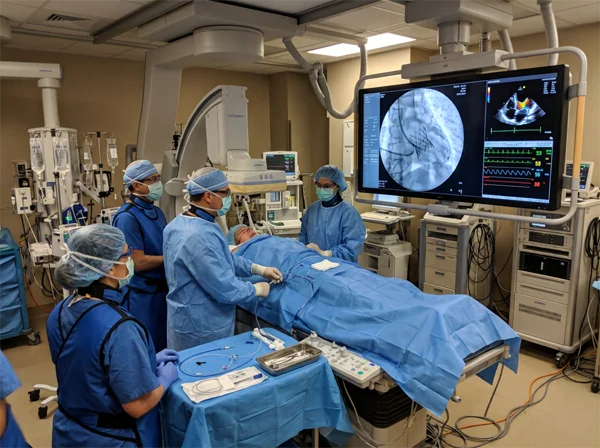
TAVR is performed in a suitably equipped cardiac catheterization laboratory, hybrid operating room, or other appropriate procedural setting.
The procedure generally involves the following stages.
Preparation: The team reviews the imaging results, confirms the procedural plan, and prepares the patient for the intervention. Anaesthesia or sedation is selected according to the clinical situation.
Vascular access: A catheter is introduced through a suitable blood vessel, commonly an artery in the groin.
Valve positioning: The replacement valve is guided through the blood vessels to the aortic valve.
Valve deployment: The new valve is positioned within the diseased valve and deployed using the selected device system.
Post-procedure assessment: The team evaluates valve function, blood flow, heart rhythm, and signs of complications before determining the next stage of care.
The exact procedure varies according to the patient's anatomy and the valve technology used.
Potential Benefits and Risks of TAVR
For appropriately selected patients with severe aortic stenosis, TAVR can improve blood flow through the aortic valve and may help relieve symptoms caused by the narrowing.
Compared with conventional surgery, TAVR avoids a full surgical opening of the chest in most cases. The recovery process may be shorter for some patients, but individual outcomes vary.
TAVR also carries potential complications, including:
· Bleeding or injury to blood vessels.
· Stroke.
· Infection.
· Abnormal heart rhythms.
· Conduction disturbances that may require a permanent pacemaker.
· Leakage around the replacement valve.
· Kidney injury.
· Valve-related complications.
The risk profile depends on the patient's health, anatomy, and procedural circumstances. Patients should discuss the expected benefits, alternatives, and possible complications with their treating team.
Recovery After TAVR
Recovery following TAVR Placement in Noida varies according to the patient's age, general health, procedural outcome, and any complications.
Some patients can resume selected daily activities relatively soon, while others need additional monitoring or rehabilitation.
Post-procedure care may include:
· Monitoring blood pressure and heart rhythm.
· Checking the vascular access site for bleeding or swelling.
· Taking prescribed medicines according to medical instructions.
· Attending follow-up appointments and cardiac imaging.
· Gradually increasing physical activity as advised.
· Participating in cardiac rehabilitation when recommended.
Patients should follow instructions regarding wound care, activity restrictions, and medication use. Medicines should not be stopped or adjusted without advice from the treating clinician.
Fever, increasing swelling at the access site, new weakness, or worsening breathlessness should be reported promptly. Severe chest pain, fainting, or symptoms suggestive of a stroke require emergency medical attention.
Long-Term Follow-Up After TAVR
Valve replacement does not eliminate the need for continued medical care. Regular follow-up helps assess valve function, heart performance, and any complications that may develop.
The treating team may recommend echocardiography, clinical examinations, and other investigations at appropriate intervals.
Patients should also continue managing other cardiovascular risk factors, such as high blood pressure and diabetes, when present. Medication, diet, exercise, and rehabilitation advice should be tailored to individual needs.
The long-term durability of a replacement valve depends on several factors, including the type of valve and the patient's clinical circumstances. Patients should ask their specialist about expected monitoring and the possibility of future treatment.
TAVR Placement in Noida: Preparing for Consultation
Individuals exploring TAVR Placement in Noida may benefit from preparing questions about the diagnosis, available procedures, and expected follow-up.
Useful questions include:
· Is the aortic stenosis severe enough to require valve replacement?
· Is TAVR appropriate, or would surgical valve replacement be more suitable?
· What are the risks in this particular case?
· Which investigations are needed before the procedure?
· What type of replacement valve is being considered?
· How long might hospital monitoring and recovery take?
· What follow-up appointments and tests will be necessary?
Patients should also confirm the qualifications of the treating team and whether the facility has the required procedural, imaging, emergency, and postoperative monitoring capabilities.
Dr. Ravi Kumar Gupta is the named doctor for this service page. His current role in TAVR procedures and the availability of this service at the associated hospital should be verified before publication.
Frequently Asked Questions
1. What is TAVR placement?
TAVR is a catheter-based procedure that replaces a diseased aortic valve. It is used in selected patients with aortic stenosis when valve replacement is clinically indicated.
2. Is TAVR different from open-heart valve surgery?
Yes. TAVR usually places the replacement valve through a blood vessel, whereas conventional surgical valve replacement involves an operation to access the heart. The appropriate approach depends on individual clinical findings.
3. Who may be suitable for TAVR?
Selected patients with severe aortic stenosis may be suitable. The decision depends on symptoms, valve anatomy, age, overall health, surgical risk, and assessment by the heart team.
4. What are the risks of TAVR?
Potential risks include bleeding, vascular injury, stroke, abnormal heart rhythms, pacemaker requirement, kidney injury, and leakage around the replacement valve.
5. How long does recovery after TAVR take?
Recovery varies according to the patient's health, the procedural outcome, and any complications. The treating team provides guidance on hospital stay, physical activity, and follow-up.
6. Is follow-up necessary after TAVR?
Yes. Regular follow-up helps assess the replacement valve, monitor heart function, and identify complications that may require treatment.
Conclusion
TAVR is an important treatment option for selected patients with severe aortic stenosis. The procedure offers an alternative to conventional surgical valve replacement in appropriate cases, but the choice of treatment requires an individualized clinical assessment.
Individuals researching TAVR Placement in Noida should discuss their diagnosis, available treatment options, procedural risks, and long-term follow-up needs with a qualified heart team.