LVAD
LVAD
LVAD Placement in Noida
Advanced heart failure can affect the heart's ability to pump enough blood to meet the body's needs. When symptoms remain severe despite appropriate medical treatment, specialists may consider advanced treatment options, including mechanical circulatory support. One such option is a Left Ventricular Assist Device (LVAD), a mechanical pump that helps the heart circulate blood throughout the body.
For individuals researching LVAD Placement in Noida, understanding how the device works, who may benefit from it, and what long-term care involves can help them prepare for a medical consultation. LVAD treatment requires careful patient selection, specialized surgical care, and continued monitoring.
Dr. Ravi Kumar Gupta is the doctor named for this service page. His current qualifications, professional affiliations, experience with mechanical circulatory support, and the availability of LVAD procedures should be verified through reliable professional or institutional sources before publication.
What Is an LVAD?
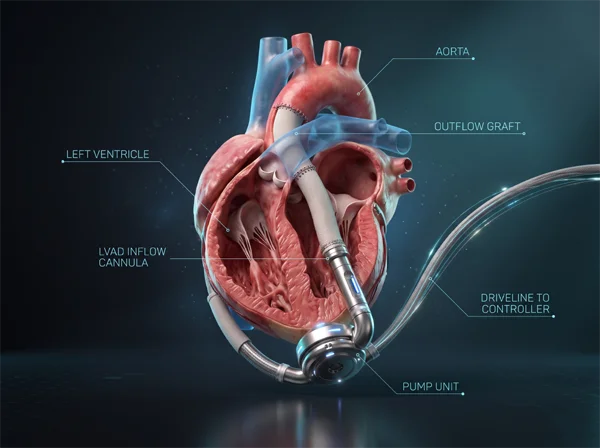
A Left Ventricular Assist Device is a mechanical pump that supports the left ventricle, the heart's main pumping chamber. The device helps move blood from the left ventricle into the aorta, allowing oxygen-rich blood to circulate through the body.
An LVAD does not replace the heart. Instead, it assists the heart when its pumping function is significantly reduced.
The device generally includes a pump, a power source, a controller, and a driveline that connects internal and external components. The external equipment requires careful handling and regular attention according to the instructions provided by the treating team.
LVAD treatment may be considered for selected patients with advanced heart failure when medication and other appropriate treatments do not provide sufficient support.
Why Is LVAD Placement Considered?
The purpose of LVAD Placement in Noida is to provide mechanical support for selected patients whose hearts cannot pump blood adequately. The decision depends on the severity of heart failure, the patient's overall condition, and the goals of treatment.
LVAD support may be considered in different clinical situations.
Bridge to Transplantation
Some patients with advanced heart failure may be suitable for heart transplantation but require mechanical support while waiting for a suitable donor organ.
In these cases, an LVAD may help support circulation during the waiting period. Whether this approach is appropriate depends on the patient's medical condition and transplant evaluation.
Destination Therapy
For certain patients who are not suitable candidates for heart transplantation, an LVAD may be considered as a longer-term treatment option.
This approach requires a careful assessment of potential benefits, surgical risks, other medical conditions, and the patient's ability to manage the device and attend regular follow-up appointments.
Bridge to Decision or Recovery
In selected circumstances, an LVAD may provide temporary or longer-term support while the medical team evaluates the patient's condition or determines whether meaningful recovery of heart function is possible.
The treatment goal depends on the underlying cause of heart failure and the patient's response to medical and device-based treatment.
Who May Be Evaluated for LVAD Treatment?
LVAD treatment may be considered for selected patients with advanced heart failure and significantly reduced pumping function. However, the diagnosis of heart failure alone does not mean that an LVAD is necessary.
The medical team evaluates several factors before recommending treatment, including:
- The severity and duration of heart failure.
- Symptoms despite appropriate medical treatment.
- Heart function and circulation.
- Kidney and liver function.
- The presence of infections or other serious medical conditions.
- Previous heart procedures and treatments.
- Nutritional status and physical condition.
- The ability to manage device care and attend follow-up appointments.
- Suitability for heart transplantation, when relevant.
Some conditions may increase the risks associated with implantation. A multidisciplinary team reviews these factors to determine whether the potential benefits justify the risks.
Evaluation Before LVAD Placement
A detailed assessment is required before LVAD Placement in Noida or at another treatment centre. The purpose is to understand the severity of heart failure, evaluate other organ systems, and determine whether mechanical support is appropriate.
Cardiac Assessment
Investigations may include echocardiography, electrocardiography, and other tests to assess heart structure, pumping function, and rhythm.
Selected patients may require additional imaging or invasive investigations to evaluate pressures within the heart and blood vessels.
Blood Tests
Blood tests help assess kidney function, liver function, blood counts, clotting parameters, and other factors that may influence the procedure and postoperative care.
Assessment of Other Medical Conditions
The team evaluates conditions that may affect surgical risk or recovery, including diabetes, kidney disease, lung disease, infection, and previous cardiovascular complications.
Multidisciplinary Review
LVAD care involves coordination among cardiac surgeons, cardiologists, critical care specialists, nurses, and other healthcare professionals. Additional specialists may participate according to the patient's needs.
The evaluation should also address the patient's goals, expected quality of life, device-management requirements, and available support from family members or caregivers.
How Is LVAD Placement Performed?
LVAD implantation is a major surgical procedure performed by an appropriately trained surgical team in a facility equipped to provide advanced cardiac care.
The specific surgical approach depends on the device, the patient's anatomy, and the clinical circumstances.
During implantation, the pump is positioned to help move blood from the left ventricle into the aorta. The device's external components are connected according to the system's design.
After surgery, the patient is monitored closely while the medical team assesses circulation, device function, and other vital parameters.
The length of the hospital stay and the subsequent rehabilitation period vary according to the patient's condition and whether complications occur.
Potential Benefits and Risks of LVAD Treatment
An LVAD can provide circulatory support for selected patients with advanced heart failure. Depending on the individual circumstances, it may help improve blood flow and reduce some symptoms associated with inadequate cardiac output.
However, LVAD implantation carries significant risks. The potential benefits and complications should be discussed before treatment.
Possible complications include:
- Bleeding during or after surgery.
- Infection, including infection around the driveline.
- Blood clots and device-related thrombosis.
- Stroke.
- Right-sided heart failure.
- Kidney dysfunction.
- Device malfunction.
- Abnormal heart rhythms.
- Gastrointestinal bleeding.
Patients usually require medication to reduce the risk of blood clots, which can increase bleeding risk. The type and dosage of medication must be determined and monitored by the treating team.
Outcomes vary depending on the patient's condition, device characteristics, and complications. No particular result can be guaranteed.
Recovery After LVAD Placement
Recovery after LVAD implantation involves hospital monitoring, gradual rehabilitation, and training for the patient and caregivers.
The care team provides instructions on device operation, power management, emergency procedures, and driveline care.
Important aspects of recovery may include:
Device education: Patients and caregivers learn how to operate the controller, monitor power sources, recognize alarms, and follow the manufacturer's safety instructions.
Wound and driveline care: Proper care helps reduce infection risk. The team explains how to keep the driveline secure and how to follow the prescribed dressing routine.
Medication management: Patients may require anticoagulants and other medicines. Regular monitoring is essential to balance the risks of clotting and bleeding.
Physical rehabilitation: Activity is increased gradually according to the patient's condition and the rehabilitation team's recommendations.
Follow-up appointments: Regular reviews help assess device function, heart failure symptoms, blood tests, and any complications.
Patients and caregivers should know whom to contact if an alarm occurs, the device stops functioning normally, or symptoms change suddenly.
Living With an LVAD
An LVAD can change many aspects of daily life. Patients need to follow device-specific safety instructions and keep the necessary equipment and backup power arrangements available.
Daily care may involve checking equipment, monitoring symptoms, taking medicines as prescribed, and attending scheduled appointments.
Activities such as bathing, travel, exercise, and returning to work require individualized guidance. Patients should not assume that every activity is safe without checking with their LVAD team.
Warning signs such as fever, redness or discharge around the driveline, unusual bleeding, worsening breathlessness, or changes in device function require prompt medical attention. Severe symptoms, sudden weakness, difficulty speaking, or loss of consciousness require emergency assistance.
LVAD Placement in Noida: Preparing for Consultation
Patients researching LVAD Placement in Noida may wish to ask a specialist about eligibility, the expected purpose of treatment, alternative options, and the practical requirements of living with an LVAD.
Useful questions include:
- Why is mechanical circulatory support being considered?
- What are the potential benefits and risks in this case?
- Is heart transplantation also an option?
- Which device is being considered, and why?
- What training will the patient and caregivers receive?
- How frequently will follow-up appointments be needed?
- What emergency support is available if the device develops a problem?
It is important to confirm that the treatment centre has the required surgical expertise, intensive care facilities, device-management support, and follow-up services.
Dr. Ravi Kumar Gupta is the named doctor for this service page. His current role and the availability of LVAD implantation services should be verified before publication.
Frequently Asked Questions
1. What is LVAD placement?
LVAD placement is a surgical procedure in which a mechanical pump is implanted to assist the left ventricle in circulating blood. It may be considered for selected patients with advanced heart failure.
2. Who may need an LVAD?
An LVAD may be considered for patients with severe heart failure whose symptoms and circulation remain inadequately controlled despite appropriate treatment. Eligibility requires a detailed specialist assessment.
3. Does an LVAD replace the heart?
No. An LVAD supports the heart's pumping function but does not replace the heart. It works alongside the patient's own heart.
4. Can an LVAD be used while waiting for a heart transplant?
Yes. In selected patients, an LVAD may provide circulatory support while they wait for a suitable donor heart, provided they meet the relevant clinical criteria.
5. What are the risks of LVAD implantation?
Potential risks include bleeding, infection, blood clots, stroke, right-sided heart failure, and device malfunction. Individual risks vary according to the patient's condition and treatment plan.
6. Is long-term follow-up necessary after LVAD placement?
Yes. Patients require regular medical reviews, device monitoring, medication management, and education about recognizing complications and responding to device alarms.
Conclusion
LVAD treatment is an advanced option for selected patients with severe heart failure when additional circulatory support is needed. Careful evaluation helps determine whether the procedure is appropriate and whether transplantation or other treatment options should also be considered.
Individuals exploring LVAD Placement in Noida should discuss eligibility, potential benefits, complications, device-management responsibilities, and long-term follow-up with a suitably qualified multidisciplinary team.