Aortic Surgery
Aortic Surgery
Aortic Surgery in Noida
The aorta is the largest artery in the human body. It carries oxygen-rich blood from the heart to the rest of the body. Conditions affecting the aorta can interfere with normal blood circulation and, in some cases, become life-threatening. Depending on the nature and severity of the condition, treatment may involve regular monitoring, medication, an endovascular procedure, or open surgery.
For individuals researching Aortic Surgery in Noida, understanding the causes of aortic disease, available treatment approaches, and the importance of timely medical assessment can help them prepare for a consultation. Dr. Ravi Kumar Gupta is the doctor named for this service page. His current qualifications, professional affiliations, and availability of specific procedures should be verified through reliable professional or institutional sources before publication.
What Is Aortic Surgery?
Aortic surgery involves procedures performed to treat selected diseases affecting the aorta. Surgery may be required when part of the aortic wall becomes enlarged, weakened, torn, or otherwise damaged.
The appropriate procedure depends on the affected section of the aorta, the underlying diagnosis, the patient's general health, and the urgency of treatment. Some conditions can be managed through surveillance and medication, while others require planned or emergency intervention.
The main objectives of treatment are to address the affected portion of the aorta, reduce the risk of serious complications, and maintain adequate blood circulation.
Common Aortic Conditions
Several conditions can affect the structure and function of the aorta. Each requires an individualized medical assessment.
Aortic Aneurysm
An aortic aneurysm develops when a section of the aortic wall becomes abnormally enlarged. It can occur in the chest, known as a thoracic aortic aneurysm, or in the abdomen, known as an abdominal aortic aneurysm.
Small aneurysms may be monitored through periodic imaging, depending on their location and clinical characteristics. Larger aneurysms or those associated with concerning features may require intervention.
The decision to operate depends on factors such as aneurysm size, growth rate, symptoms, location, family history, and the patient's overall risk profile.
Aortic Dissection
An aortic dissection occurs when a tear develops in the inner layer of the aortic wall, allowing blood to pass between its layers. This condition can disrupt blood flow to important organs and may cause severe complications.
Acute aortic dissection is a medical emergency. Sudden, severe chest, back, or abdominal pain may be a warning sign, although symptoms can vary. Emergency medical assessment is essential when this condition is suspected.
Treatment depends on the location of the dissection, its complications, and the patient's clinical condition. Some cases require urgent surgery, while selected cases may be treated with medication and close monitoring.
Aortic Valve and Aortic Root Disorders
The aortic valve controls blood flow from the heart into the aorta. Disorders affecting this valve or the aortic root may occur independently or alongside aortic disease.
Depending on the findings, treatment may involve aortic valve repair or replacement, surgery on the aortic root, or a combined procedure. Specialist evaluation helps determine the most appropriate approach.
Congenital Aortic Abnormalities
Some people are born with structural abnormalities involving the aorta. These may be identified during childhood or adulthood, depending on their severity and associated symptoms.
Treatment decisions depend on the specific abnormality, its effect on circulation, and the risk of future complications. Some conditions require lifelong monitoring, while others may require intervention.
When Is Aortic Surgery Considered?
The need for Aortic Surgery in Noida or elsewhere depends on the patient's diagnosis and individual risk factors. Surgery may be considered when an aneurysm reaches a clinically significant size, enlarges rapidly, causes symptoms, or presents other features associated with an increased risk of complications.
Aortic surgery may also be necessary for certain dissections, ruptures, or structural conditions affecting the aorta.
Not every patient with aortic disease needs an operation. A specialist may recommend medication, regular imaging, and risk-factor management when these approaches are appropriate.
Patients should understand why a particular treatment is recommended, what alternatives exist, and what may happen if intervention is delayed.
Types of Aortic Surgery
Aortic procedures differ according to the affected section of the vessel and the underlying disease.
Open Aortic Surgery
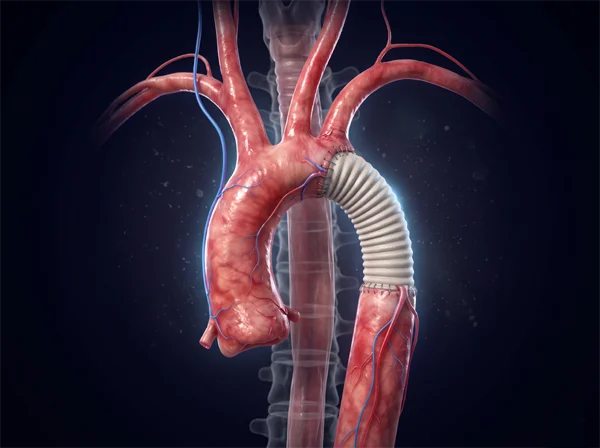
Open surgery involves accessing the affected section of the aorta and repairing or replacing it as required. A vascular graft may be used to replace a damaged section of the vessel.
Open surgery may be considered for certain thoracic aortic aneurysms, aortic root conditions, and other complex aortic disorders. The exact approach depends on the anatomy and the patient's medical condition.
Endovascular Aortic Repair
Endovascular repair uses catheters and specialized devices to treat selected aortic conditions from inside the blood vessels. A stent graft may be positioned within the aorta to help exclude an aneurysm from normal blood flow.
Depending on the location, procedures may include endovascular aneurysm repair or thoracic endovascular aortic repair.
Not all patients are suitable for endovascular treatment. The aorta's anatomy, the location of the disease, and the patient's overall condition influence the choice between endovascular and open approaches.
Aortic Root and Ascending Aorta Surgery
Conditions affecting the aortic root or ascending aorta may require specialized cardiac surgery. Depending on the diagnosis, the procedure may involve replacing the affected aortic segment, repairing associated structures, or treating a related aortic valve disorder.
The choice of procedure requires detailed imaging and assessment by an appropriately qualified surgical team.
Diagnostic Tests Before Aortic Surgery
Accurate diagnosis is essential for planning aortic treatment. The healthcare team evaluates the location and extent of the disease and assesses the patient's overall health.
Depending on the clinical situation, investigations may include:
- CT angiography: Provides detailed images of the aorta and its branches.
- Echocardiography: Assesses heart function, the aortic valve, and selected portions of the aorta.
- Magnetic resonance imaging (MRI): May be used to evaluate aortic anatomy and monitor selected conditions.
- Blood tests: Help assess general health and identify issues that may affect treatment.
- Additional cardiac investigations: May be recommended according to the patient's diagnosis and medical history.
Patients should share details of previous imaging, operations, allergies, and current medications with their treating team.
Risks and Benefits of Aortic Surgery
Aortic surgery may be necessary to manage serious disease, but it carries risks that vary according to the procedure and the patient's condition.
Possible complications include bleeding, infection, blood clots, stroke, kidney injury, damage to nearby structures, and cardiovascular complications. Emergency procedures may carry different risks from planned operations.
Before treatment, patients should discuss the expected benefits, potential complications, alternative approaches, and the need for continued surveillance after surgery. No procedure can guarantee a particular outcome.
Recovery After Aortic Surgery
Recovery depends on the type of operation, the affected section of the aorta, and the patient's overall health. Patients undergoing open surgery may require a longer recovery period than those undergoing selected endovascular procedures, although individual experiences vary.
Postoperative care may include:
- Taking prescribed medicines according to medical advice.
- Following wound-care instructions.
- Gradually resuming physical activities as recommended.
- Monitoring blood pressure as advised.
- Attending scheduled clinical and imaging follow-ups.
- Following individualized dietary and lifestyle recommendations.
Regular follow-up is important because some patients need ongoing imaging to monitor the repaired aorta or other sections of the vessel.
Sudden severe chest or back pain, fainting, or severe breathing difficulty requires emergency medical attention.
Aortic Surgery in Noida: Preparing for Consultation
Patients considering Aortic Surgery in Noida may benefit from preparing questions before meeting a cardiac or aortic specialist.
Useful questions include:
- What type of aortic condition has been diagnosed?
- Is immediate treatment necessary, or is monitoring appropriate?
- Which treatment options are suitable for this condition?
- What are the risks and expected benefits of each option?
- Will open surgery or an endovascular procedure be considered?
- What follow-up tests and lifestyle precautions may be required?
Patients should also confirm the treating professional's relevant qualifications and the hospital's facilities for the proposed procedure, including postoperative monitoring and emergency support.
Dr. Ravi Kumar Gupta is the named doctor for this service page. His current clinical role and the availability of aortic procedures should be confirmed before publishing claims about specific services.
Frequently Asked Questions
1. What is aortic surgery?
Aortic surgery includes procedures used to repair or replace a damaged section of the aorta or treat certain aortic disorders. The appropriate procedure depends on the diagnosis, anatomy, and clinical condition.
2. Which conditions may require aortic surgery?
Aortic aneurysms, certain aortic dissections, and selected congenital or structural aortic abnormalities may require surgery. Some patients can be managed through medication and regular monitoring.
3. Is open surgery the only treatment for aortic disease?
No. Depending on the condition and anatomy, treatment may involve open surgery, an endovascular procedure, medication, or imaging surveillance. Not every patient is suitable for every approach.
4. What tests are performed before aortic surgery?
Evaluation may include CT angiography, echocardiography, MRI, blood tests, and other investigations selected according to the patient's condition.
5. How long does recovery from aortic surgery take?
Recovery varies according to the procedure, the patient's health, and whether complications occur. The treating team can provide individualized guidance about hospital stay, activity restrictions, and follow-up.
6. When should a person seek emergency care for aortic symptoms?
Sudden, severe chest, back, or abdominal pain, fainting, or severe breathing difficulty may indicate a serious condition. Seek emergency medical care immediately if these symptoms occur.
Conclusion
Aortic disease requires appropriate diagnosis, careful assessment, and treatment tailored to the individual. Depending on the condition, management may involve monitoring, medication, endovascular treatment, or open surgery.
People researching Aortic Surgery in Noida should discuss their diagnosis, treatment alternatives, potential risks, and follow-up needs with a suitably qualified specialist. Timely assessment is particularly important when symptoms suggest an acute aortic emergency.