Adult Cardiac Surgery
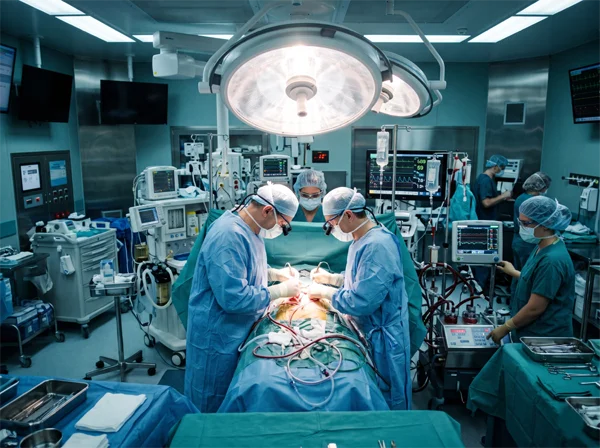
Adult Cardiac Surgery
Adult Cardiac Surgery in Noida
Adult cardiac surgery involves surgical procedures used to manage certain diseases and structural problems of the heart in adults. These conditions may affect the heart valves, coronary arteries, aorta, or other parts of the heart. Depending on the diagnosis, symptoms, overall health, and clinical findings, a cardiac specialist may recommend medication, monitoring, an interventional procedure, or surgery.
For individuals exploring Adult Cardiac Surgery in Noida, understanding the available treatment approaches can help them prepare for a medical consultation and make informed decisions about their care. Dr. Ravi Kumar Gupta is the doctor named for this service page. Patients should verify his current qualifications, clinical role, hospital affiliation, and the procedures available at his associated healthcare facility before making treatment decisions.
What Is Adult Cardiac Surgery?
Adult cardiac surgery refers to operations performed to treat specific heart conditions in adults. The purpose of surgery depends on the underlying disease. It may involve restoring blood flow to the heart, repairing or replacing a damaged valve, treating a problem affecting the aorta, or correcting a structural abnormality.
Not every heart condition requires an operation. A comprehensive assessment helps determine whether surgery is appropriate and whether other treatment options may be suitable.
The decision generally considers the severity of the disease, symptoms, test results, existing medical conditions, and the potential benefits and risks of the proposed procedure.
Conditions That May Require Cardiac Surgery
Several cardiovascular conditions may require surgical evaluation. The appropriate approach depends on the nature and severity of the problem.
Coronary Artery Disease
Coronary artery disease develops when the blood vessels supplying the heart muscle become narrowed or obstructed. This can reduce the supply of oxygen-rich blood to the heart.
Some patients may be assessed for coronary artery bypass grafting (CABG), a procedure that creates an alternative route for blood to reach the heart muscle. Depending on the clinical situation, medication or catheter-based treatment may be considered instead.
Heart Valve Disorders
The heart contains valves that regulate blood flow between its chambers and into the major arteries. Valve disease can occur when a valve becomes narrowed or does not close properly.
Depending on the affected valve and the severity of the problem, treatment may involve valve repair, surgical valve replacement, or a catheter-based procedure. The choice requires an assessment of the patient's anatomy, symptoms, and overall health.
Aortic Conditions
The aorta is the main artery carrying blood from the heart to the body. Certain aortic conditions, including aneurysms and some forms of aortic dissection, may require specialist evaluation and, in selected cases, surgery.
The urgency and type of treatment depend on the location and extent of the aortic problem and the patient's clinical condition.
Structural Heart Conditions
Structural abnormalities can affect the heart's chambers, valves, or major blood vessels. Some conditions are identified during adulthood, even when they have been present since birth.
A cardiac evaluation helps determine whether the abnormality requires observation, medical management, a catheter-based intervention, or surgery.
Types of Adult Cardiac Surgery
The term Adult Cardiac Surgery in Noida covers several different procedures. Not every procedure is appropriate for every patient, and the treatment plan should be individualized.
Coronary Artery Bypass Grafting
CABG may be considered for selected patients with coronary artery disease. During this operation, a surgeon uses a blood vessel graft to create an alternative pathway around a narrowed or blocked coronary artery.
The decision to proceed with bypass surgery depends on factors such as the pattern of coronary artery disease, heart function, other medical conditions, and the suitability of alternative treatments.
Heart Valve Repair and Replacement
Valve repair aims to improve the function of a damaged valve while preserving its structure when feasible. Valve replacement involves using an artificial or biological valve when repair is unsuitable or insufficient.
Patients should discuss the expected benefits, procedural risks, type of replacement valve where relevant, and the need for long-term follow-up with their treating team.
Aortic Surgery
Aortic surgery may be required for certain aneurysms, dissections, and other conditions affecting the aorta. Depending on the diagnosis, treatment may involve replacing an affected section of the vessel or repairing a related structural problem.
Some aortic conditions require emergency treatment, while others can be assessed and managed through planned specialist care.
Surgery for Structural Abnormalities
Selected structural heart conditions may require surgical correction. The procedure depends on the precise abnormality, its effect on heart function, and whether intervention is necessary.
A specialist may review imaging studies and other investigations before discussing the available approaches.
How Is a Patient Evaluated Before Surgery?
Before recommending an operation, the cardiac team reviews the patient's medical history, symptoms, physical examination, and relevant investigations. The purpose is to understand the condition, evaluate procedural risks, and determine whether surgery is appropriate.
Depending on the clinical situation, investigations may include:
- Electrocardiogram (ECG): Records the electrical activity of the heart.
- Echocardiography: Uses ultrasound to assess heart structure, valves, and pumping function.
- Coronary angiography or CT imaging: May help evaluate blood vessels or specific structural abnormalities.
- Blood tests: Assess general health and identify issues that may affect treatment.
- Additional cardiac investigations: Selected according to the diagnosis and the patient's medical history.
Patients should inform their healthcare team about existing medical conditions, allergies, previous operations, and all medications they take. Medicines should not be stopped or changed without appropriate medical advice.
Understanding the Risks and Benefits
Cardiac surgery may be an important treatment option for selected heart conditions, but it involves potential risks. These vary according to the operation, the patient's health, and the urgency of treatment.
Possible complications can include bleeding, infection, abnormal heart rhythms, blood clots, stroke, kidney complications, and other serious events. The risks differ from one procedure and patient to another.
Before consenting to surgery, patients should discuss the purpose of the procedure, alternative treatments, expected recovery, possible complications, and the likely need for further treatment. No operation can guarantee a particular outcome.
Recovery After Adult Cardiac Surgery
Recovery depends on the procedure performed, the patient's overall condition, and whether complications occur. Some patients require intensive monitoring immediately after surgery, followed by a period of hospital care and rehabilitation.
The recovery plan may include:
- Taking prescribed medicines according to medical instructions.
- Following wound-care guidance provided by the healthcare team.
- Gradually increasing physical activity as advised.
- Attending scheduled follow-up appointments.
- Participating in cardiac rehabilitation when recommended.
- Following individualized dietary and lifestyle guidance.
Patients should seek prompt medical assessment if they develop symptoms such as worsening breathlessness, chest pain, fever, unusual wound discharge, or other concerning changes. Severe or sudden chest pain, marked breathing difficulty, fainting, or signs of a stroke require emergency medical attention.
Choosing a Cardiac Surgery Service in Noida
When considering cardiac surgical care, patients can ask about the treating team's relevant experience, the hospital's cardiac surgery facilities, intensive care support, available diagnostic services, and arrangements for postoperative monitoring.
It is also useful to understand who will coordinate care before and after the procedure, how urgent concerns are handled, and which follow-up services are available.
For people researching Adult Cardiac Surgery in Noida, these practical considerations can help them understand the care pathway. The appropriate treatment setting should be determined by the patient's medical needs and the facilities required for the proposed procedure.
Dr. Ravi Kumar Gupta is associated with this service-page topic. His current professional details and the availability of specific surgical procedures should be confirmed directly through verified professional or institutional information.
Frequently Asked Questions
1. What is adult cardiac surgery?
Adult cardiac surgery includes operations used to treat certain conditions affecting the heart, its valves, coronary arteries, and related structures in adults. The appropriate procedure depends on the diagnosis and clinical assessment.
2. Which conditions may require adult cardiac surgery?
Selected cases of coronary artery disease, heart valve disorders, aortic disease, and structural heart abnormalities may require surgery. Some patients can be managed with medication or catheter-based procedures instead.
3. How is the need for cardiac surgery determined?
The decision is based on symptoms, medical history, physical examination, imaging, cardiac investigations, and the potential benefits and risks of treatment. A qualified cardiac specialist can explain the options for an individual patient.
4. How long does recovery from cardiac surgery take?
Recovery varies according to the procedure, overall health, and any complications. Hospital stay, rehabilitation, and the return to everyday activities should be discussed with the treating team.
5. Is cardiac surgery suitable for every patient with heart disease?
No. The suitability of surgery depends on the type and severity of the heart condition, the patient's health, and the alternatives available. Treatment decisions require an individualized medical assessment.
6. What should patients ask before cardiac surgery in Noida?
Patients may ask about the proposed procedure, its purpose, possible complications, alternative treatments, hospital facilities, recovery expectations, follow-up care, and the professional credentials of the treating team.
Conclusion
Adult cardiac surgery is an important treatment option for selected cardiovascular conditions. Appropriate evaluation, clear communication, and individualized treatment planning help patients understand their options and prepare for care.
Individuals exploring Adult Cardiac Surgery in Noida should seek an assessment from a suitably qualified cardiac specialist and discuss the potential benefits, risks, alternatives, and follow-up requirements of any proposed procedure.